Wetsuit, gloves and socks Essential
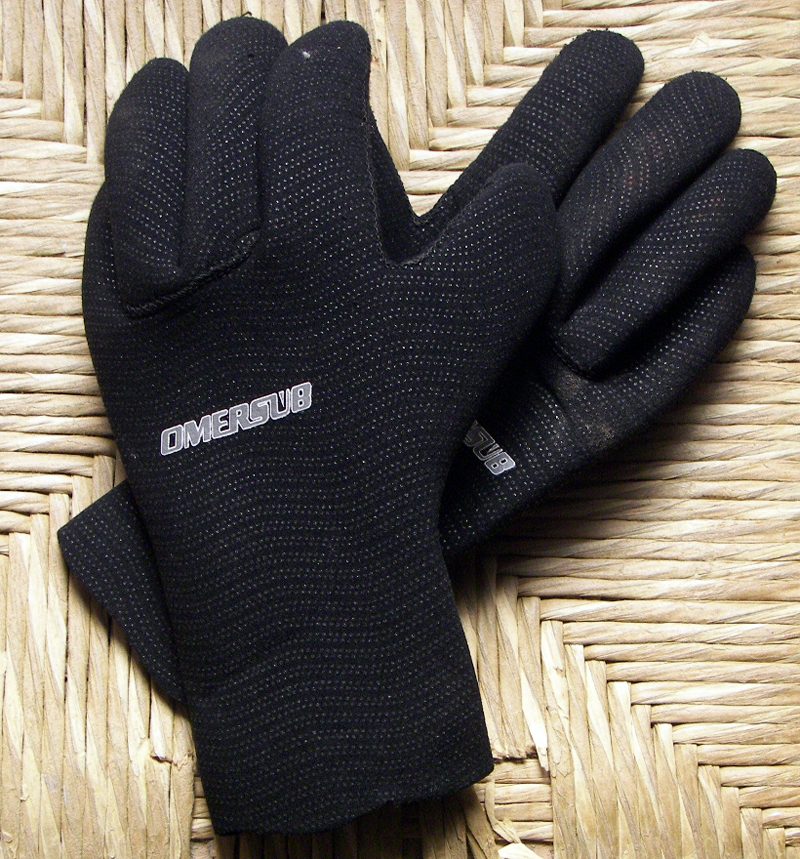
Gloves
Between your hands and the rock, the urchins, the shaft and the teeth. Not optional on this coast.
Wetsuit, gloves and socks Essential
Between your hands and the rock, the urchins, the shaft and the teeth. Not optional on this coast.
Prices read on 17 October 2026 from Moroccan online shops. Brands named are examples seen for sale, not a recommendation, and prices change: check before you buy. For second-hand, also look on Avito and in spearfishing groups.
All gear prices in Morocco →Your hands do everything: load the gun, hold the rock in surge, grip a fish, pull a shaft out, handle a conger or a bluefish. Bare hands last about one dive on Moroccan rock before they are cut, and cold hands stop working long before the rest of you feels it.
Gloves keep the hands warm enough to load a gun after two hours, and they take the damage the rock, the urchins and the fish would otherwise do.
Neoprene gloves, 2 to 3 mm for the Mediterranean and the summer Atlantic, 3 to 5 mm for the Atlantic in winter. Thicker is warmer and clumsier; a 5 mm glove makes loading and knots slow.
What matters:
Dyneema or kevlar-reinforced gloves cut the rate at which rock destroys them and protect against teeth and spines, at the cost of a little warmth. For a diver who handles congers, morays and bluefish, they are worth it.
Snug on the fingers with no empty fingertip, because an empty tip fills with water and freezes. Try them wet if you can: neoprene stretches a little in water. A glove that is tight across the knuckles will cramp your hand.
Rinse, turn inside out to dry, keep out of the sun. Gloves are consumables: expect one or two seasons before the fingertips go, and glue small holes as soon as they appear.
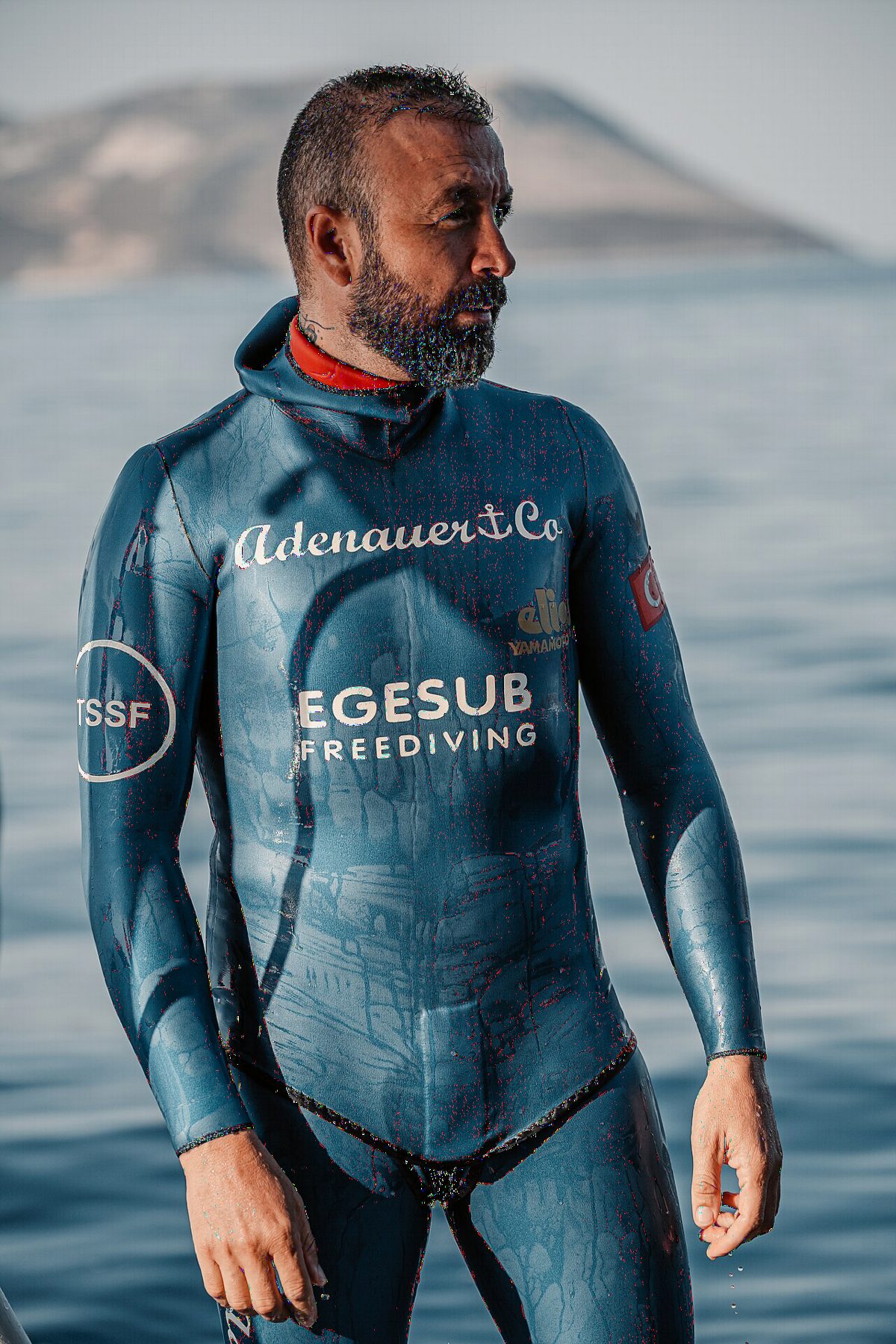
Open-cell wetsuit
Two pieces of open-cell neoprene that stick to your skin. It keeps you in the water for hours, and the Atlantic is cold all year.
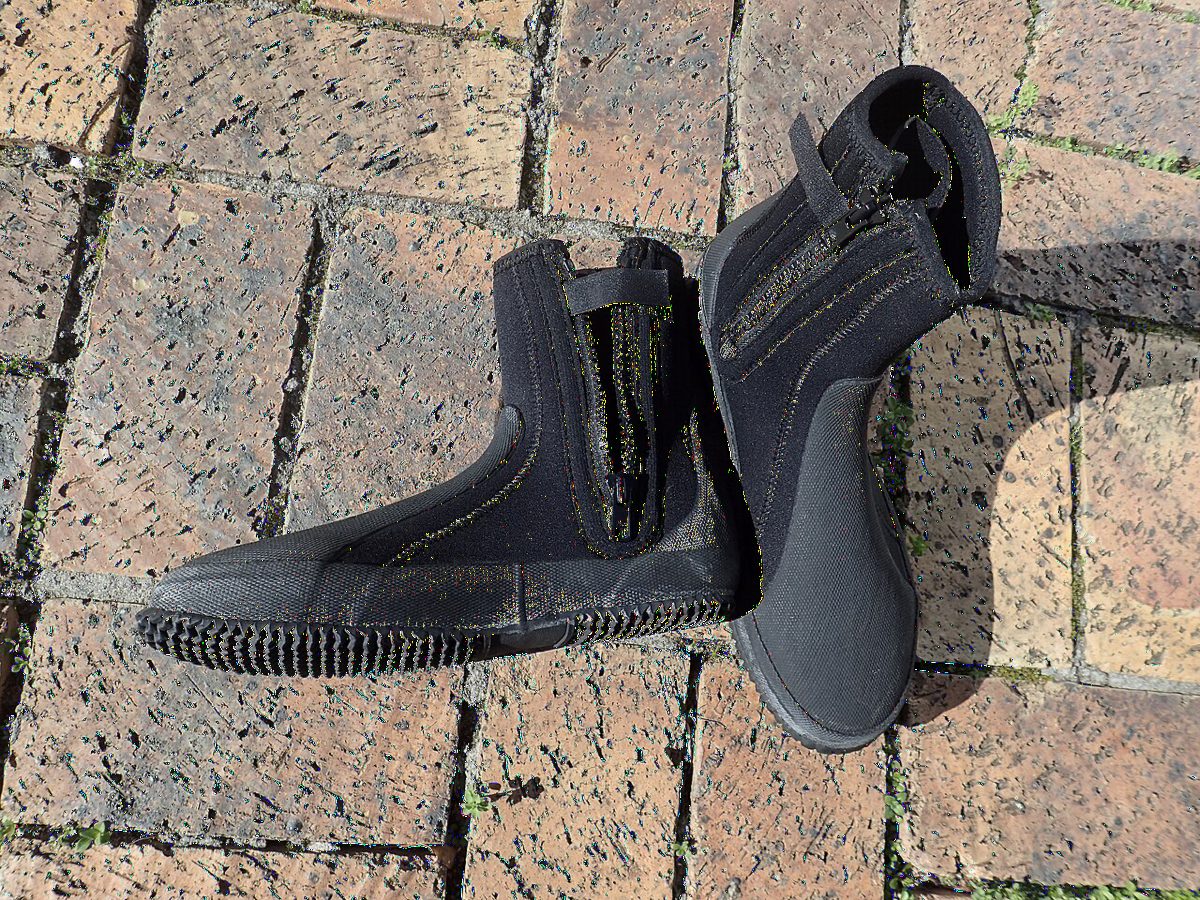
Neoprene socks
Warm feet, no blisters, and a fin pocket that fits. Cheap, and the first thing beginners forget.