Every sheet
Search by common name, Latin name or family.
Seabreams
White seabream
Diplodus sargus · Seabreams

The Moroccan spearo’s fish. Everywhere, curious, wary, and rarely where you expect it.
Two-banded seabream
Diplodus vulgaris · Seabreams

The social cousin of the white seabream, known by its two dark bands. Less wary, and usually deeper.
Zebra seabream
Diplodus cervinus · Seabreams

The biggest and rarest sar, striped in broad dark bands. A fine fish for anyone, and a slow-growing one.
Red porgy
Pagrus pagrus · Seabreams

Pink silver, solid, between rock and sand. Less flighty than a gilthead, deeper than a sar.
Other families
European seabass
Dicentrarchus labrax · Moronidae

The fish of white water and bad weather. Fast, wary, and usually taken in conditions nobody enjoys.
Gilthead seabream
Sparus aurata · Sparidae

A gold bar between the eyes, and absolute wariness. Many see it, few take it.
Common dentex
Dentex dentex · Sparidae

The predator of the blue. Curious exactly once, and that once lasts two seconds.
Grey mullet
Chelon, Mugil, Liza sp. · Mullets

The fish of the harbours and the white water. Easy to find, hard to hit cleanly.
European conger
Conger conger · Congers

The hole dweller. Powerful, nocturnal, and able to turn a fine catch into a very bad moment.
Brown meagre
Sciaena umbra · Drums

Dark, gold-finned, and still under the overhangs. Emblematic, and protected across much of the Mediterranean.
Dusky grouper
Epinephelus marginatus · Groupers

The fish that does not flee. Which is precisely the problem.
Greater amberjack
Seriola dumerili · Jacks

Powerful, fast and curious. The fish that finds you before you look for it.
Common octopus
Octopus vulgaris · Cephalopods

Many spearos' first catch. Easy to find for anyone who can read a den.
European spiny lobster
Palinurus elephas · Crustaceans

Antennae in the crack, body out of sight. Tightly regulated, and rightly.
Meagre
Argyrosomus regius · Drums
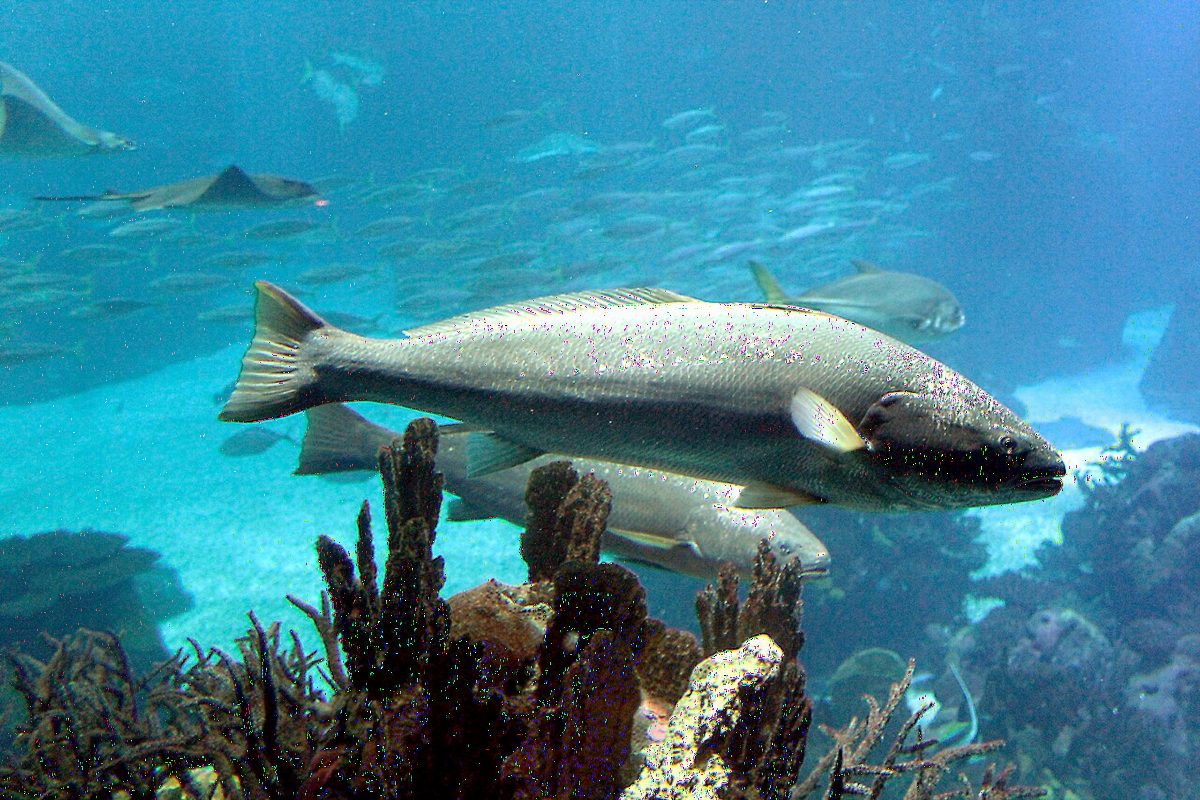
The big silver drum of the Atlantic. A fish of a metre and more, met in sand and surf, that you hear before you see.
Bluefish
Pomatomus saltatrix · Bluefishes
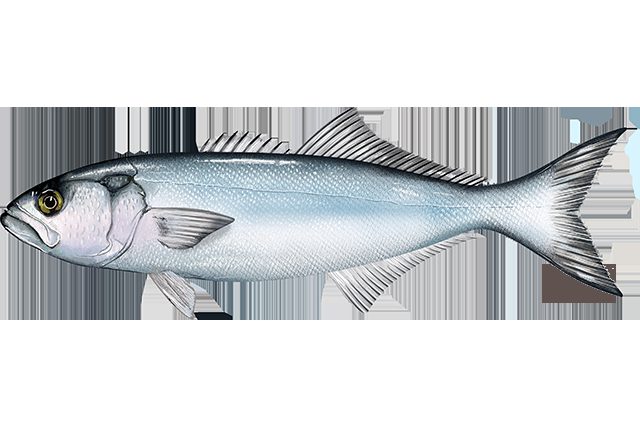
The tassergal. A pack hunter with a mouthful of teeth, the Atlantic spearo’s bread and butter, and a species in worldwide decline.
Leerfish
Lichia amia · Jacks
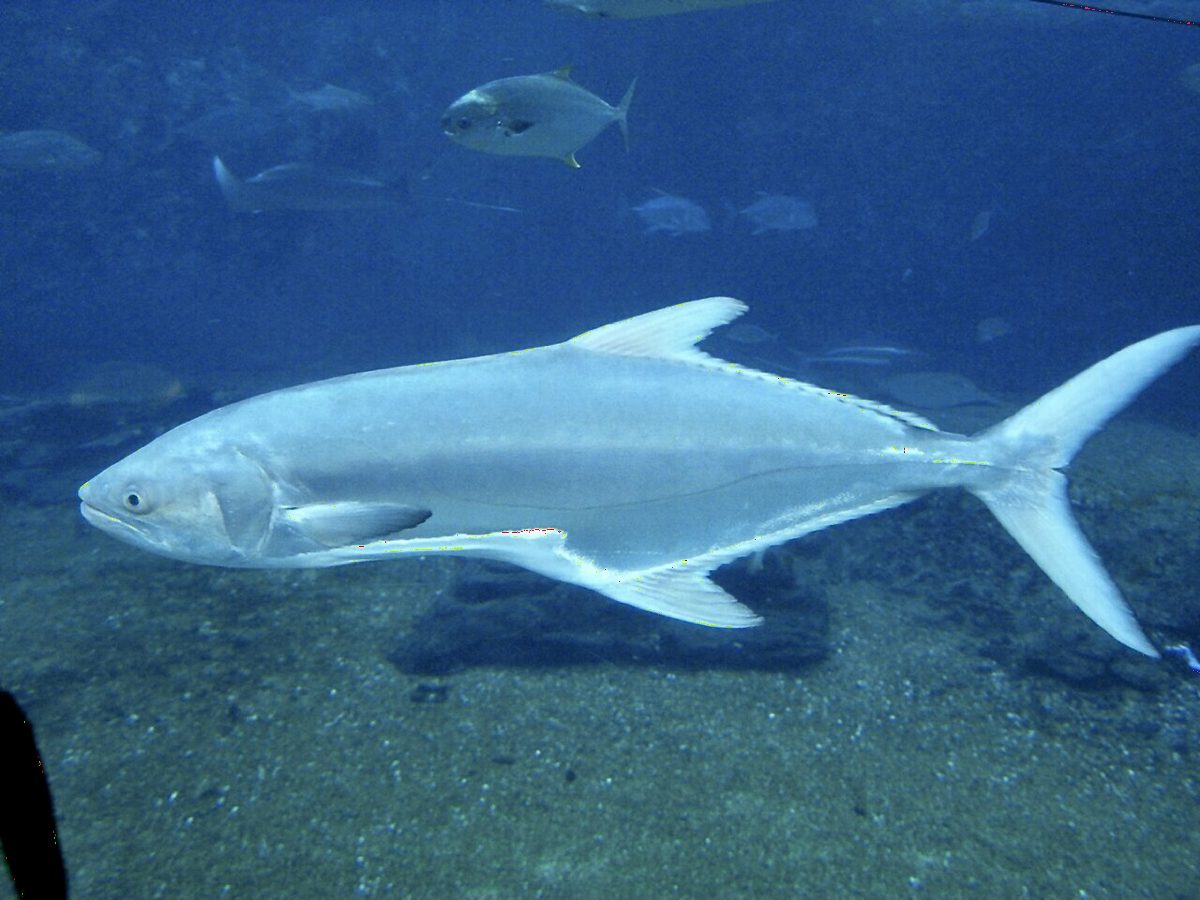
The liche. A big silver surf predator with a wavy line down its side, and one of the wariest fish on the coast.
Barracuda
Sphyraena viridensis · Barracudas
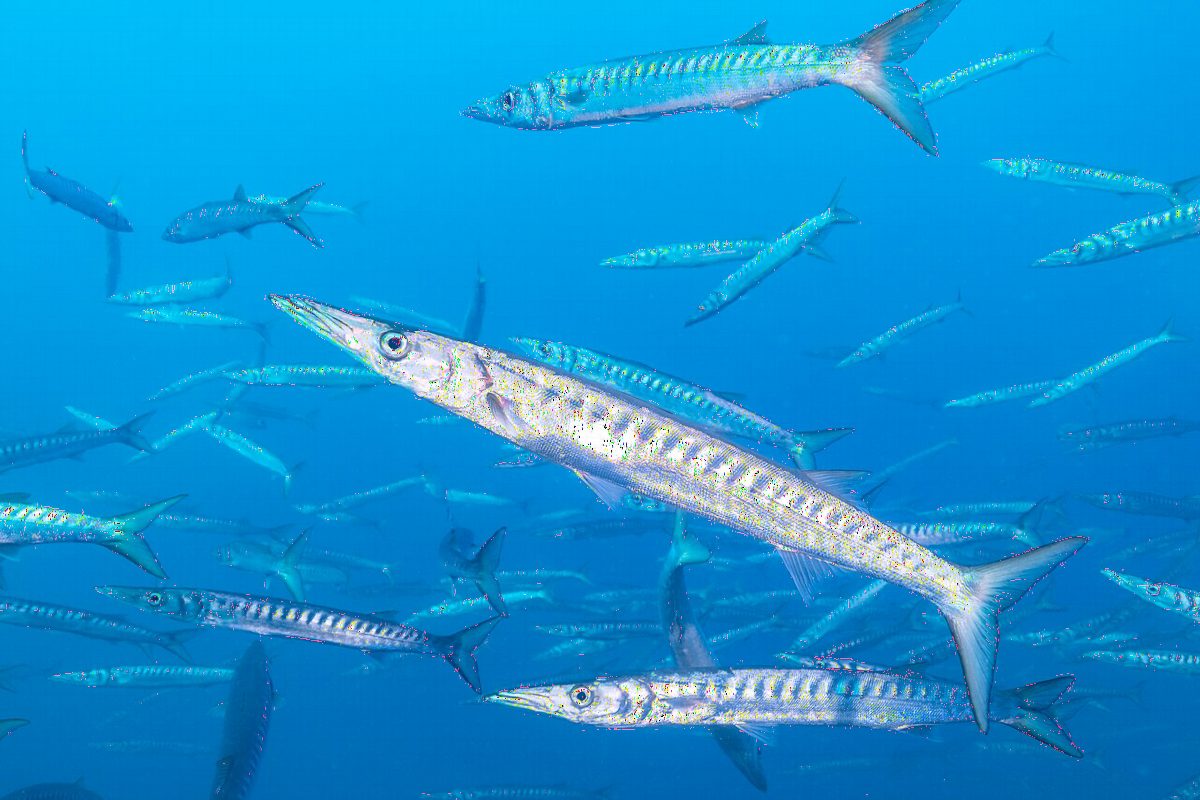
Long, silver, toothed, and curious. A school of them hanging in the blue is one of the sights of the Mediterranean summer.
Spotted seabass
Dicentrarchus punctatus · Temperate basses
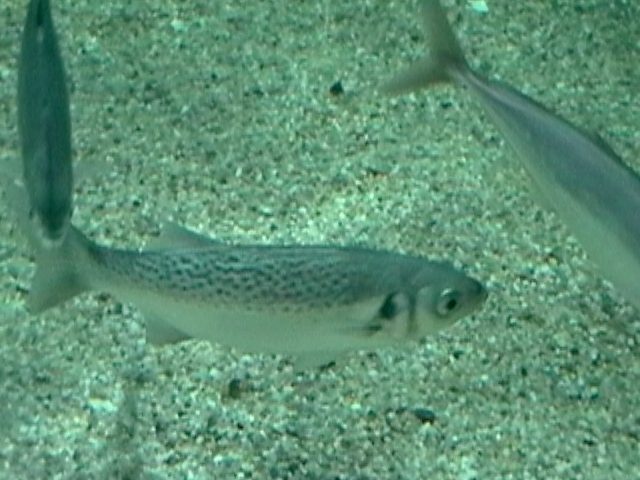
The seabass of the Atlantic surf, spotted for life. Smaller than its cousin, and far more common on the Moroccan Atlantic.
Atlantic bonito
Sarda sarda · Mackerels and tunas
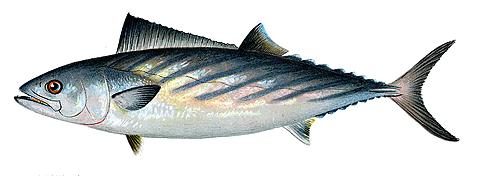
A small tuna with a striped back, fast and seasonal. The fish of the spring and autumn runs along the coast.
Goldblotch grouper
Epinephelus costae · Groupers
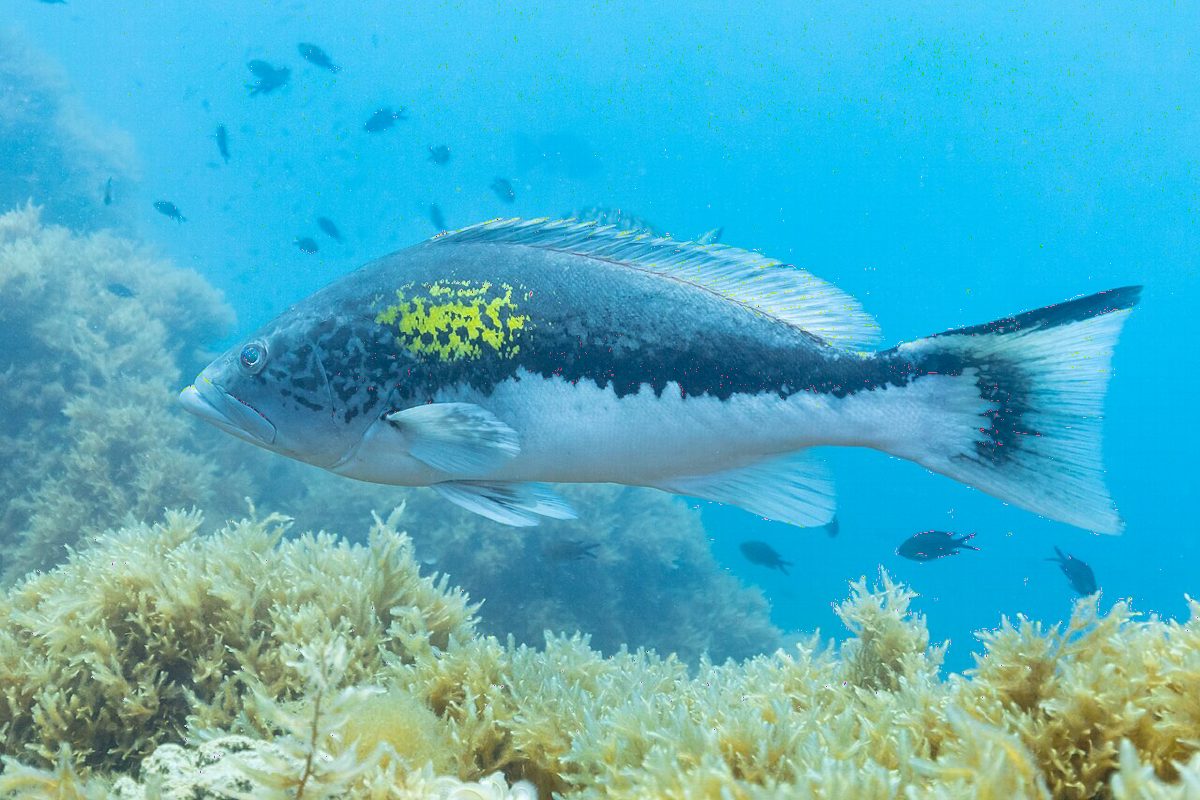
The badèche. A slimmer, paler, more mobile grouper than the dusky, and the one most Atlantic spearos actually see.
No species matches. Many are still missing — tell us which.